Piles, medically known as hemorrhoids, are among the most common anorectal conditions affecting millions of people worldwide. Despite being very common, many individuals hesitate to seek medical help due to embarrassment or fear of surgery. As a result, the condition often progresses from mild discomfort to severe pain, bleeding, and complications.
From a medical perspective, piles are not simply a local problem of the rectum. They reflect deeper disturbances in circulation, digestion, lifestyle patterns, and even emotional stress. Understanding the condition from its physiological origins to psychological influences provides a clearer picture of why some people repeatedly suffer from piles and why holistic approaches such as homeopathy are gaining attention in its management.
What Are Piles?
Piles are swollen and inflamed veins in the rectum or around the anus, similar to varicose veins that occur in the legs. These veins normally help control bowel movements, but when excessive pressure develops in the lower rectal region, they enlarge, become inflamed, and may start bleeding.
Piles are broadly classified into two types:
Internal Piles
These develop inside the rectum and may not initially cause pain. However, they can lead to bleeding during bowel movements, mucus discharge, and a feeling of incomplete evacuation.
External Piles
These occur around the anal opening and can cause pain, swelling, itching, and sometimes clot formation (thrombosed piles).
In advanced cases, internal piles may prolapse, meaning they protrude outside the anus during bowel movements.
Pathophysiology: How Piles Develop
To understand piles, it is important to look at the vascular anatomy of the rectal region.
The lower rectum contains a network of veins known as the hemorrhoidal venous plexus. These veins normally assist in maintaining continence by helping seal the anal canal. However, when the pressure inside these veins increases for prolonged periods, the venous walls stretch and weaken.
Several physiological mechanisms contribute to this process:
• Venous congestion in the rectal region
• Weakening of vascular walls
• Chronic increase in intra-abdominal pressure
• Impaired venous return from pelvic circulation
Over time, these factors cause the veins to enlarge, twist, and form the swollen structures recognized as piles.
From Physiology to Pathology
The progression from a healthy rectal vein to a pathological hemorrhoid typically follows several stages.
Stage 1: Venous Dilatation
Persistent pressure leads to dilatation of rectal veins. At this stage, symptoms may be mild or absent.
Stage 2: Inflammation and Congestion
The dilated veins become inflamed, leading to burning sensation, discomfort, and occasional bleeding.
Stage 3: Prolapse
The swollen veins begin to protrude outside the anus during bowel movements. Patients often complain of pain, irritation, and difficulty sitting comfortably.
Stage 4: Complications
In advanced stages, complications may arise, such as:
• thrombosis (clot formation)
• severe pain
• persistent bleeding
• infection or ulceration
This progression highlights that piles are not a sudden disease but rather the result of long-standing physiological stress on the rectal circulation.
Common Causes of Piles
Several factors contribute to the development of piles. Often, multiple causes act together.
Chronic Constipation
Straining during bowel movements significantly increases pressure in the rectal veins. This is one of the most important risk factors for piles.
Sedentary Lifestyle
Prolonged sitting, particularly in office jobs, slows pelvic circulation and promotes venous congestion.
Low-Fiber Diet
Diets low in fiber make stools hard and difficult to pass, leading to excessive straining.
Pregnancy
Hormonal changes and increased pressure from the growing uterus can cause hemorrhoids during pregnancy.
Obesity
Excess body weight increases abdominal pressure and affects venous return from the lower body.
Aging
With age, the tissues supporting rectal veins weaken, making piles more likely.
Digestive Health and Piles
The digestive system plays a major role in the development of piles. Irregular bowel habits, chronic constipation, and sluggish liver function can disturb the natural rhythm of digestion.
When stool remains in the intestine for prolonged periods, it becomes hard and dry. Passing such stool requires excessive straining, which directly increases pressure on rectal veins.
Over time, this repeated strain leads to venous dilation, inflammation, and eventually hemorrhoids.
The Mind–Gut Connection
Modern research increasingly highlights the connection between emotional health and digestive disorders. Stress, anxiety, and suppressed emotions can significantly influence bowel function.
Psychological stress can affect:
• intestinal motility
• digestive secretions
• bowel habits
Many individuals with piles report a history of chronic stress, mental tension, or lifestyle imbalance. Stress may lead to irregular eating habits, reduced physical activity, and constipation, indirectly contributing to hemorrhoid formation.
This relationship demonstrates that piles cannot always be understood solely as a mechanical problem. In many cases, they represent a combined disturbance of body and mind.
Symptoms of Piles
The symptoms of piles may vary depending on the severity and type of hemorrhoid.
Common symptoms include:
• bleeding during bowel movements
• pain or discomfort in the anal region
• itching around the anus
• swelling or lump near the anus
• mucus discharge
• sensation of incomplete bowel evacuation
While mild cases may cause only occasional discomfort, severe piles can significantly affect daily life.
Limitations of Symptomatic Treatment
Conventional treatment for piles often focuses on relieving symptoms such as pain or bleeding. In more severe cases, procedures such as banding, laser treatment, or surgery may be recommended.
While these approaches can remove or shrink hemorrhoids, they often do not address the underlying factors responsible for their development. As a result, many patients experience recurrence after treatment.
This highlights the importance of approaches that consider the entire physiological and lifestyle context of the disease.
The Holistic Perspective of Homeopathy
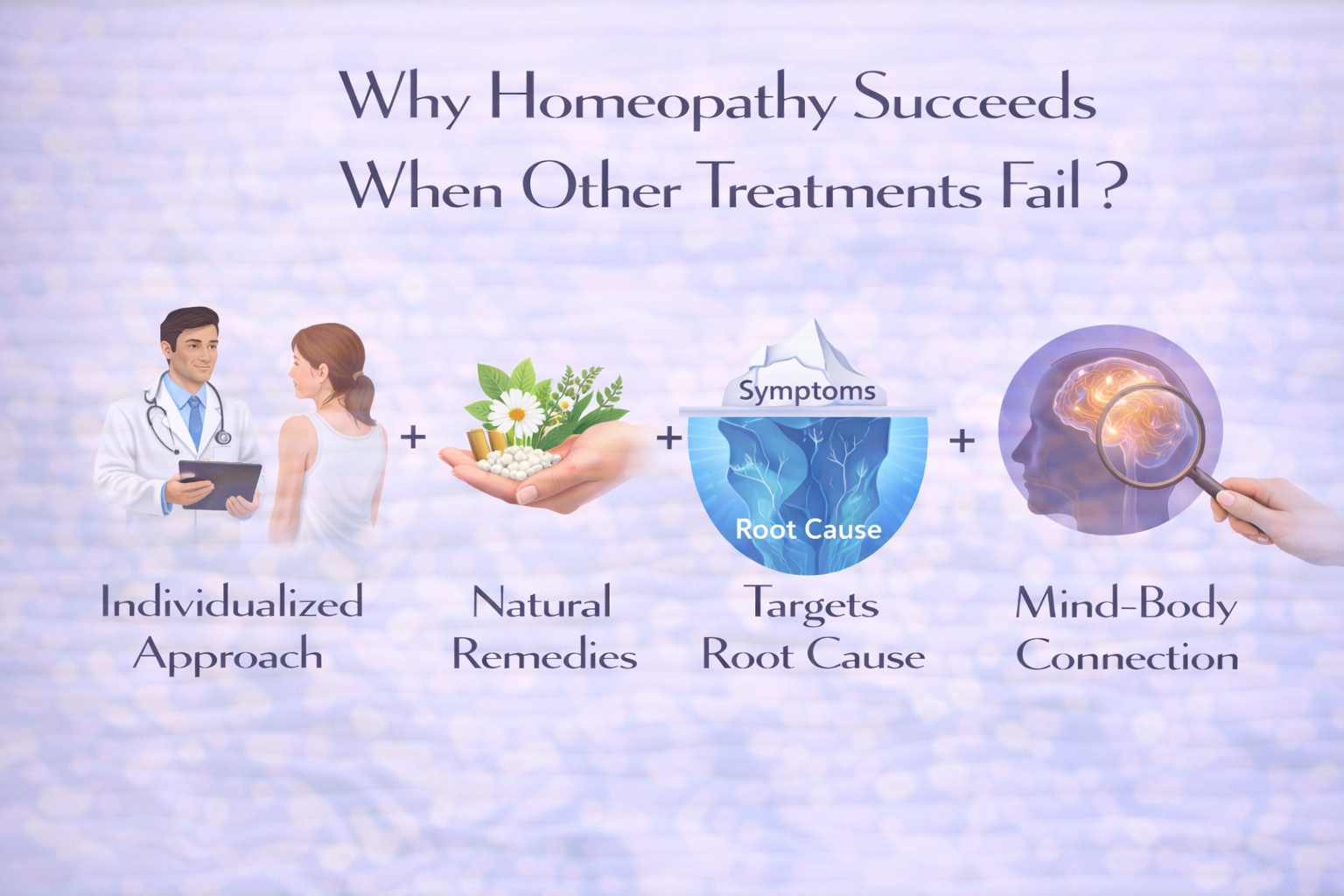
Homeopathy views piles not merely as a local disease but as an expression of internal imbalance within the individual.
Rather than focusing only on the swollen veins, homeopathy evaluates the broader picture, including:
• digestive tendencies
• bowel habits
• lifestyle patterns
• emotional state
• constitutional predisposition
By understanding these factors, treatment aims to support the body's natural healing mechanisms and restore internal balance.
This individualized approach often helps address the underlying disturbances that predispose a person to piles, rather than simply managing the visible symptoms.
Lifestyle Measures That Support Recovery
Along with medical care, certain lifestyle adjustments can help reduce the risk of piles:
• increasing dietary fiber intake
• drinking adequate water
• regular physical activity
• avoiding prolonged sitting
• maintaining regular bowel habits
• managing stress effectively
These measures support healthy digestion and reduce pressure on rectal veins.
When to Seek Medical Advice
Medical evaluation is important if you experience:
• persistent rectal bleeding
• severe pain during bowel movements
• prolapsing hemorrhoids
• symptoms that do not improve with lifestyle measures
Early consultation helps prevent complications and allows more effective management.
A Natural Path Toward Long-Term Relief
Piles are often the result of long-standing disturbances in digestion, circulation, and lifestyle. Addressing these underlying factors is essential for lasting relief.
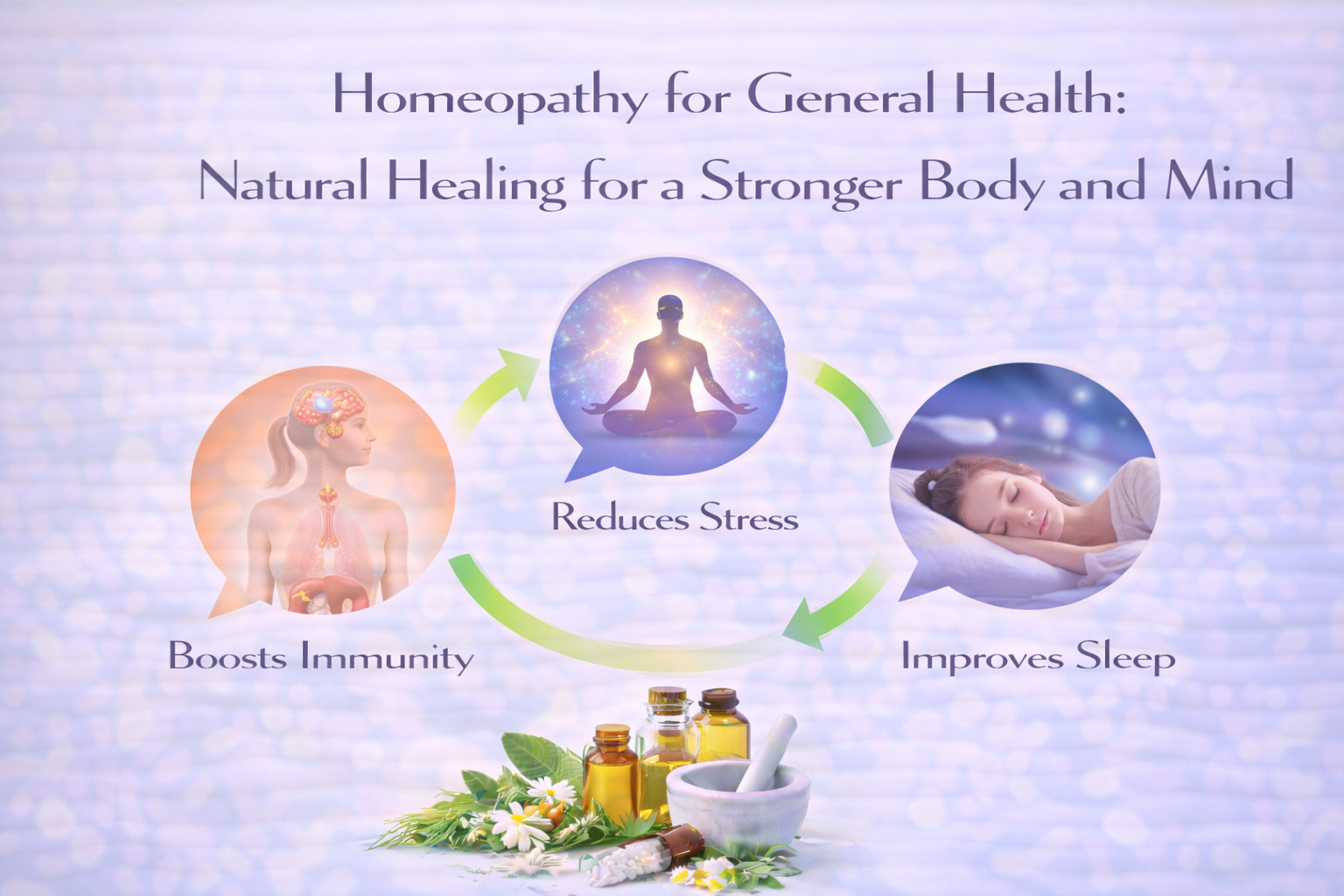
Homeopathy emphasizes a comprehensive understanding of the individual, considering both physical symptoms and emotional influences. This holistic perspective aims to support the body's natural healing processes and reduce the likelihood of recurrence.
For individuals seeking a gentle and holistic approach, homeopathic care offers a promising path toward restoring digestive balance and improving overall well-being.