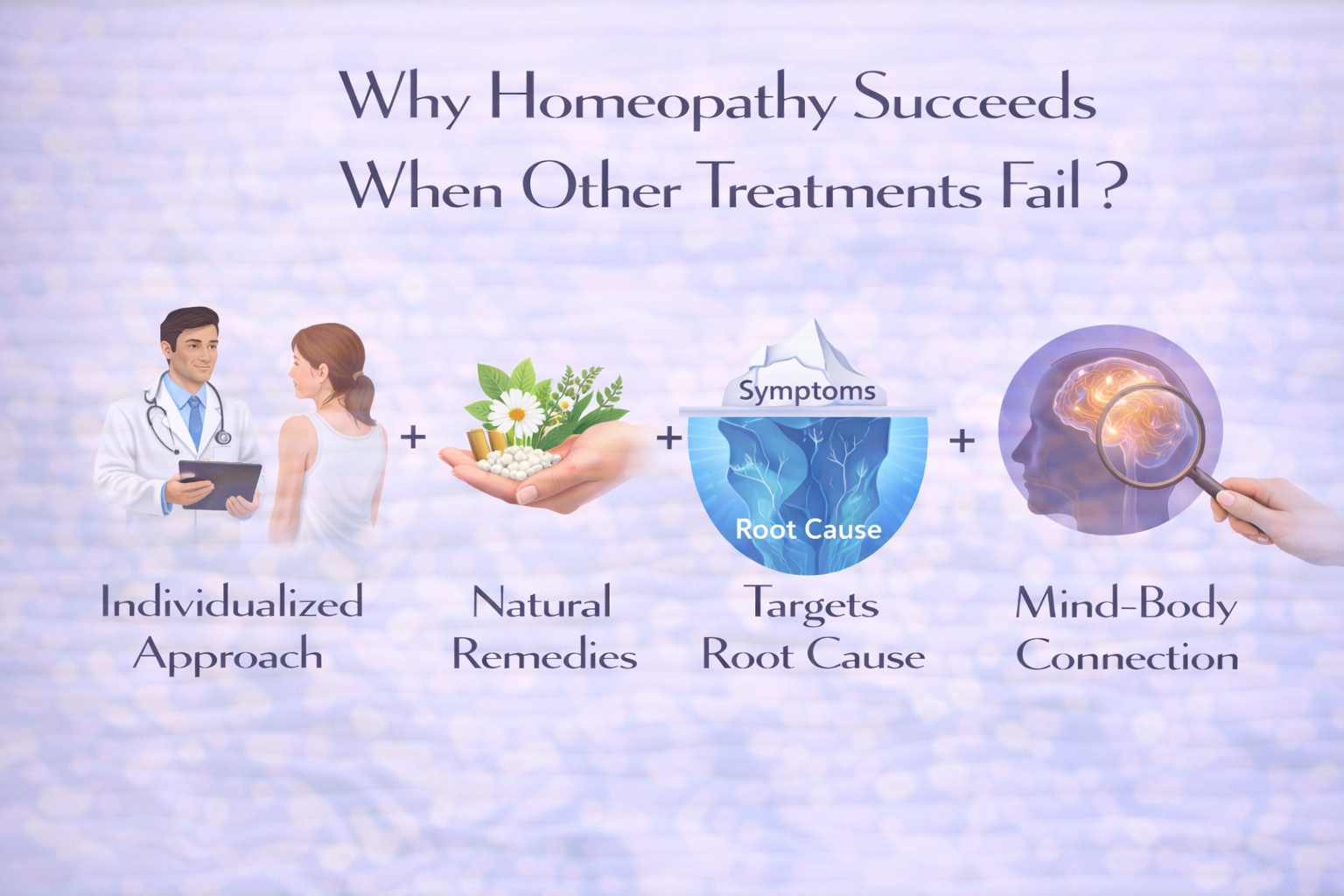
Understanding the Root Cause – From Immune Hypersensitivity to Mind–Body Balance
Allergic rhinitis, commonly known as nasal allergy or hay fever, is a chronic inflammatory condition of the nasal passages caused by an exaggerated immune response to environmental allergens.
It is one of the most common allergic conditions worldwide, affecting millions of people. Symptoms such as repeated sneezing, nasal congestion, watery nasal discharge, itching, and irritation of the eyes and throat can significantly affect daily life and productivity.
Many patients rely on antihistamines, nasal sprays, or other medications to control symptoms. While these treatments may provide temporary relief, they often do not address the underlying immune imbalance responsible for allergies.
At HomeoConsulting, we approach allergic rhinitis differently. Instead of suppressing symptoms, we analyze the complete disease process—from immune hypersensitivity and environmental triggers to emotional stress factors.
Homeopathy aims to restore balance within the immune system so that the body gradually becomes less reactive to allergens.
Understanding Allergic Rhinitis
Allergic rhinitis occurs when the immune system reacts excessively to normally harmless substances known as allergens.
Common allergens include:
-
Dust mites
-
Pollen
-
Animal dander
-
Mold spores
-
Environmental pollutants
When these allergens enter the nasal passages, the immune system mistakenly identifies them as harmful and triggers an inflammatory response.
Pathophysiology of Allergic Rhinitis
The development of allergic rhinitis involves complex immune reactions.
1. Allergen Exposure
When allergens enter the respiratory tract, they interact with immune cells present in the nasal mucosa.
These allergens stimulate the production of IgE antibodies, which are responsible for allergic reactions.
2. Immune Sensitization
During the first exposure to an allergen, the immune system becomes sensitized.
IgE antibodies attach to specialized immune cells called mast cells.
3. Histamine Release
When the body is exposed to the allergen again, mast cells release inflammatory chemicals such as:
-
Histamine
-
Leukotrienes
-
Cytokines
Histamine causes many allergy symptoms, including:
-
Sneezing
-
Nasal itching
-
Runny nose
-
Nasal swelling
4. Chronic Inflammation
Repeated allergic reactions cause persistent inflammation in the nasal passages.
This may lead to:
-
Chronic nasal congestion
-
Sinus infections
-
Reduced breathing comfort
Symptoms of Allergic Rhinitis
Common symptoms include:
-
Repeated sneezing
-
Runny nose
-
Nasal congestion
-
Itching in the nose
-
Watery or itchy eyes
-
Postnasal drip
-
Throat irritation
Symptoms may worsen during exposure to allergens such as dust, pollen, or cold air.
Types of Allergic Rhinitis
Allergic rhinitis can be classified into two main types.
Seasonal Allergic Rhinitis
Triggered by seasonal allergens such as pollen from trees, grasses, or weeds.
Symptoms usually appear during certain times of the year.
Perennial Allergic Rhinitis
Occurs throughout the year due to exposure to allergens such as:
-
Dust mites
-
Pet dander
-
Indoor pollutants
Risk Factors for Allergies
Several factors increase the likelihood of developing allergic rhinitis.
These include:
-
Genetic predisposition
-
Family history of allergies
-
Exposure to environmental pollutants
-
Weak immune regulation
-
Urban lifestyle
The Mind–Immune Connection
Emotional and psychological stress can influence immune system responses.
Stress affects the hypothalamic–pituitary–adrenal (HPA) axis, which regulates immune activity.
Prolonged stress may lead to immune dysregulation, making the body more sensitive to allergens.
Many patients report worsening allergy symptoms during periods of:
-
Emotional stress
-
Lack of sleep
-
Mental fatigue
This mind–body interaction plays a significant role in allergic diseases.
Homeopathic Understanding of Allergic Rhinitis
In homeopathy, allergic rhinitis is not viewed merely as a nasal disorder.
Instead, it is considered a manifestation of immune hypersensitivity involving systemic imbalance in the body's regulatory systems.
Homeopathy evaluates the patient holistically by examining:
-
Nature of allergic symptoms
-
Triggering allergens
-
Seasonal patterns
-
Emotional temperament
-
Lifestyle habits
-
Family history
Because each patient reacts differently to allergens, treatment must be individualized.
How We Analyze Allergy Cases at HomeoConsulting
At HomeoConsulting, allergy treatment begins with a detailed evaluation of the patient’s health profile.
1. Symptom Pattern Analysis
We analyze symptoms such as:
-
Frequency of sneezing
-
Nasal discharge type
-
Eye irritation
-
Nasal blockage
These symptoms provide clues for remedy selection.
2. Trigger Identification
We investigate environmental triggers including:
-
Dust exposure
-
Seasonal pollen
-
Weather changes
-
Cold air
Understanding triggers helps identify the deeper immune imbalance.
3. Mental and Emotional Evaluation
Homeopathy considers emotional patterns important in chronic diseases.
We evaluate:
-
Stress patterns
-
Anxiety tendencies
-
Emotional temperament
These characteristics help identify the constitutional homeopathic remedy.
Homeopathic Treatment for Allergic Rhinitis
Homeopathic treatment aims to restore balance in the immune system so that allergic responses gradually reduce.
The selected remedy may help:
-
Reduce immune hypersensitivity
-
Improve respiratory health
-
Decrease frequency of allergy attacks
-
Strengthen overall immunity
Because homeopathy treats the individual rather than the disease, remedies are chosen according to the patient’s complete symptom profile.
Benefits of Homeopathic Treatment
Patients undergoing homeopathic treatment for allergic rhinitis often experience:
-
Reduced frequency of sneezing
-
Improved nasal breathing
-
Reduced allergy attacks
-
Better immune balance
-
Improved overall well-being
Homeopathic medicines are gentle and safe for long-term use.
Our Holistic Treatment Approach
At HomeoConsulting, allergy treatment focuses on long-term immune regulation.
Our approach includes:
-
Detailed case analysis
-
Identification of allergy triggers
-
Individualized homeopathic remedy selection
-
Lifestyle and environmental guidance
-
Long-term monitoring and follow-up
The goal is to restore balance within the immune system so that allergic reactions gradually diminish.
Begin Your Journey Toward Allergy Relief
Allergic rhinitis can disrupt daily life, but by addressing the deeper causes of immune hypersensitivity, lasting relief is possible.
Homeopathy offers a natural and holistic treatment approach that supports the body’s own healing mechanisms.
If you are suffering from nasal allergies or recurrent sneezing, the team at HomeoConsulting can help you explore a personalized treatment plan designed to restore respiratory health naturally.